







In the world of precision engineering and vertical transportation, the linear guide rail is an indispensable component. Whether it is ensuring the smooth movement of a CNC machine or providing the backbone for a high-speed elevator, the performance of these systems hinges on one critical factor: Material.
Selecting the right linear guide rail material isn't just a technical detail—it is a decision that affects the load capacity, lifespan, and safety of the entire machinery. From high-carbon bearing steel to corrosion-resistant stainless steel, the materials used define the operational boundaries of the system.
In this guide, we will dive deep into the chemical compositions and physical properties of the materials used in linear motion systems, with a special focus on how these choices impact high-demand industries like elevator manufacturing, supported by experts like Panda Elevator Parts.
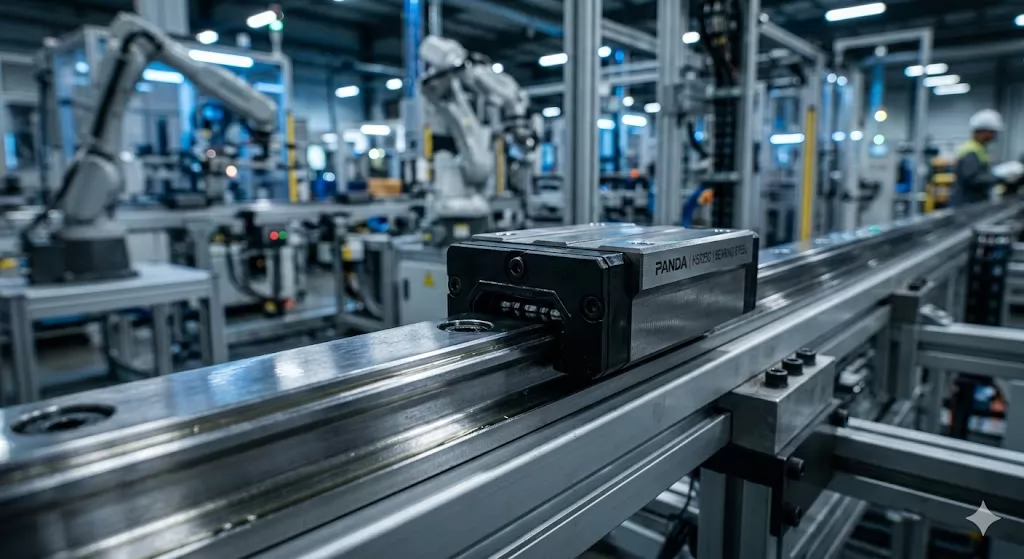
Before exploring the specific metals, it is important to understand why engineers obsess over material science in linear motion. The material dictates three core performance pillars:
Expert Tip: For elevator applications, material consistency is vital for passenger comfort. Any minor imperfection in the rail material can manifest as vibrations inside the cabin.
Depending on the load requirements and environmental factors, manufacturers typically choose one of the following three categories of materials for linear motion systems.
The vast majority of standard industrial linear guide rails are made from GCr15 bearing steel (equivalent to AISI 52100). This material is favored for its exceptional balance of hardness and cost-effectiveness.
When the application involves high humidity, chemical exposure, or cleanroom requirements (such as medical devices), Stainless Steel is the gold standard.
For high-speed, low-load applications where weight is a concern (like pick-and-place robots), aluminum bodies with embedded steel raceways are often used. This provides the lightness of aluminum with the rolling surface durability of steel.
In the elevator industry, guide rails serve a dual purpose: they guide the car and counterweight, and they act as the braking surface for safety gears. This requires specific material grades that differ from standard industrial miniature rails.
Most elevator guide rails are manufactured from Q235 or Q275 carbon structural steel. However, the manufacturing process—whether they are Cold-Drawn or Machined—greatly alters their material properties:
At Panda Elevator Parts, we ensure that every guide rail meets strict international safety standards (such as ISO 7465), focusing on high-quality steel that resists deformation even under emergency braking conditions.
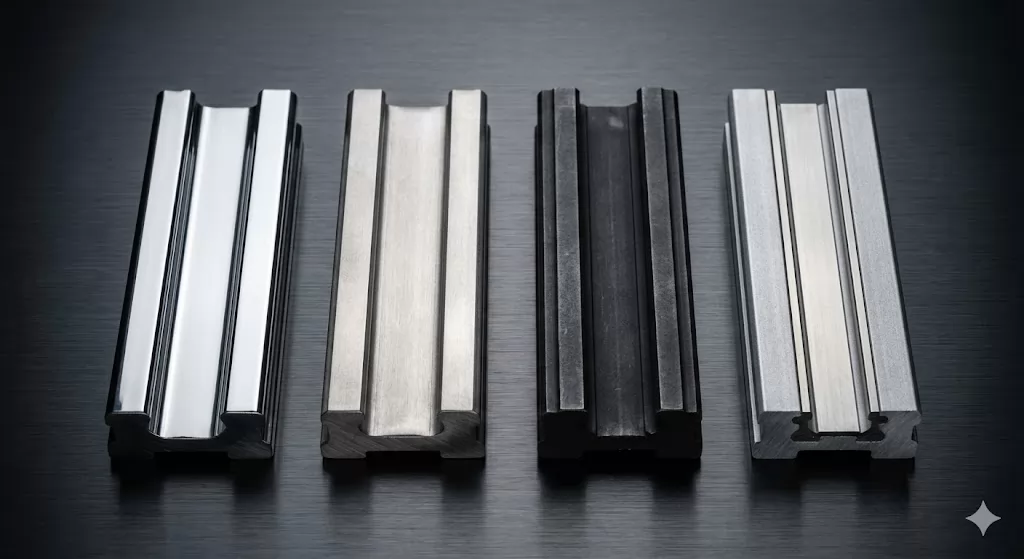
To help you make an informed decision, the following table compares the most common materials based on their physical properties and typical use cases.
| Material Type | Hardness (HRC) | Corrosion Resistance | Load Capacity | Best Use Case |
|---|---|---|---|---|
| Bearing Steel (GCr15) | 58 - 62 | Low | High | Standard Industrial Machinery |
| 440C Stainless Steel | 50 - 55 | Medium-High | Medium-High | Medical & Food Processing |
| 304 Stainless Steel | N/A (Soft) | Excellent | Low | Chemical Exposure (Non-load) |
| Aluminum Alloy | N/A | Medium | Low | High-speed Robotics/Aerospace |
| Structural Steel (Q235) | N/A | Low (Requires Coating) | High (Toughness) | Elevator Guide Rails |
Note: Hardness values may vary depending on specific heat treatment processes.
Selecting the perfect material is a balancing act between performance and budget. Consider these three factors before finalizing your order:
Is the rail exposed to moisture, salt spray, or acidic cleaners? If yes, Stainless Steel or special surface treatments (like black chrome plating) are mandatory. For standard indoor factory settings, Carbon Steel with proper lubrication is sufficient.
High-precision CNC machines and heavy-duty elevators require materials with high Hertzian contact pressure resistance. GCr15 is the industry leader for heavy-load applications due to its deep-hardening capabilities.
All steel rails require lubrication to prevent oxidation. However, if your application makes maintenance difficult (e.g., in remote elevator shafts), you might consider materials that support solid lubricants or specialized coatings offered by Panda Elevator Parts to extend service intervals.
Understanding what the material of a linear guide rail is constitutes the first step in ensuring the longevity of your machinery. While GCr15 bearing steel remains the industry standard for its high hardness and load capacity, specialized environments may demand the corrosion resistance of Stainless Steel or the lightweight properties of Aluminum.
In the elevator sector, the material quality of the guide rail is not just a performance metric—it is a safety requirement. High-quality structural steel, precisely machined, ensures that every journey is smooth, quiet, and secure.
A: While 440C stainless steel offers decent load capacity, it is generally lower than GCr15 bearing steel. For extreme heavy-duty applications, hardened carbon steel is preferred unless corrosion is a major threat.
A: Higher hardness (measured in HRC) reduces surface fatigue and wear. A rail with a hardness of HRC 58-62 will significantly outlast softer materials under continuous rolling contact.
A: No. Elevator guide rails typically use structural carbon steel (like Q235) which emphasizes toughness and vibration damping, whereas miniature guides use high-carbon bearing steel for extreme precision.
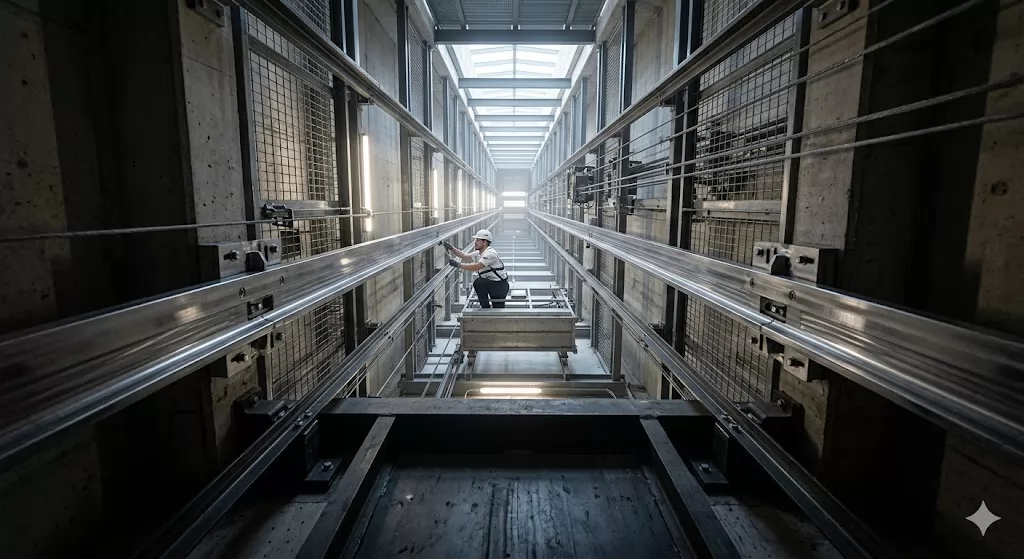
At Panda Elevator Parts, we specialize in providing high-performance components that meet the rigorous demands of the modern elevator industry. Whether you need standard guide rails or specialized elevator parts, our team is here to ensure you get the right material for the right application.






.png)