







In modern elevator traction systems, the elevator sheave acts as the critical bridge for mechanical force transmission. For B2B procurement managers, engineering contractors, and elevator maintenance professionals, selecting the correct sheave is a decision that directly impacts passenger safety, ride quality, and system longevity. A poorly manufactured or incorrectly matched sheave leads to rapid wire rope wear, excessive vibration, and costly unscheduled downtime.
This comprehensive guide breaks down the core mechanical principles, material selection criteria, and maintenance best practices of elevator sheaves. Discover how sourcing high-precision traction components from a trusted global partner like Panda Elevator can streamline your supply chain, reduce operating costs, and guarantee the highest safety standards for your global projects.
The elevator sheave (commonly referred to as a traction pulley) is the grooved wheel that transmits driving force from the elevator machine to the hoisting ropes. It operates on a fundamental mechanical principle: friction.
Traction Generation: Unlike a standard hoist that winds rope around a drum, traction elevators rely on the friction between the steel wire ropes and the machined grooves of the sheave. As the machine rotates the sheave, this friction moves both the elevator car and the counterweight.
Groove Importance: The shape of the groove determines the friction coefficient. If the groove is too shallow, the ropes will slip; if it is too tight, the ropes will pinch, leading to rapid wear of both the steel cables and the sheave itself.
Safety Integration: The sheave works in tandem with major safety components. Any misalignment or material failure in the sheave can compromise the integrity of the entire traction assembly, making precision engineering a non-negotiable requirement.
An elevator system utilizes several types of sheaves depending on the layout, shaft dimensions, and roping ratio (such as 1:1 or 2:1 configurations):
Traction Sheaves (Drive Sheaves): Mounted directly onto the output shaft of the geared or gearless traction machine. It is the primary drive wheel responsible for moving the system.
Deflector Sheaves: Placed near the traction machine to redirect and guide the steel ropes. This ensures the ropes drop perfectly vertically to align with the center of the elevator car and the counterweight.
Diverter Sheaves: Commonly used in 2:1 roping configurations. These are mounted on top of the car frame or counterweight frame to redirect the ropes, effectively halving the motor load while doubling the load capacity.
Governor Sheaves: Smaller, highly precise sheaves linked directly to the overspeed governor safety system. They monitor the speed of the car and trigger safety gears if the speed limits are breached.
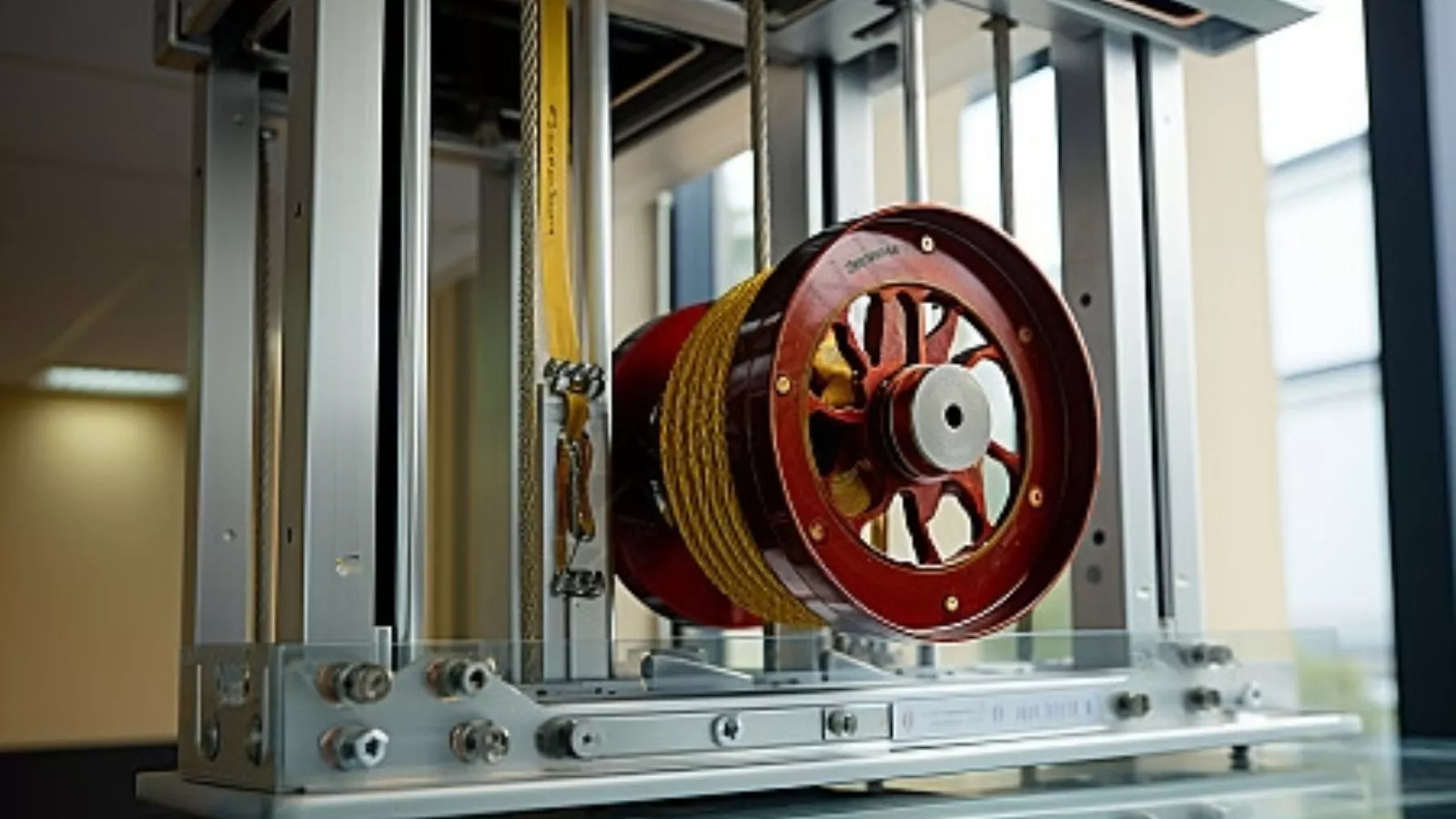
Sourcing professional-grade sheaves requires a deep understanding of metallurgy and mechanical design. B2B buyers must evaluate three critical technical criteria during the procurement phase:
The sheave material must be softer than the steel wire ropes to prevent the expensive ropes from snapping prematurely, yet durable enough to withstand millions of structural cycles.
Gray Cast Iron (e.g., HT250): The industry standard. It features high wear resistance, excellent castability, and superb vibration-damping properties, which are critical for silent cabin travel.
Ductile Iron (e.g., QT500 / QT600): Used in heavy-duty or high-rise high-speed elevators. It offers superior tensile strength and impact resistance.
V-Grooves: Provide the highest traction due to a pinching effect on the rope. However, they cause faster rope wear and are typically reserved for low-speed, light-load installations.
U-Grooves: Offer a gentle, round fit for the rope, resulting in minimal wear. To generate sufficient traction, U-grooves are usually paired with double-wrap roping configurations.
Undercut Grooves (Undercut U-Grooves): The modern standard for single-wrap gearless systems. By machining a relief cut at the bottom of a U-groove, it increases the pinching effect (traction) without causing the high wear rates of a classic V-groove.
Regular inspection of elevator sheaves is a cornerstone of preventative maintenance. Failing to catch early wear can trigger a chain reaction of component failures.
The Uneven Wear Test: If sheave grooves wear down at different rates, the individual wire ropes will travel at slightly different speeds. This forces the ropes to slip within the grooves, generating metal dust and causing cabin vibrations. Use a professional groove gauge during routine maintenance to check for depth uniformity.
Rope Seat Deepening: When a rope sinks too deep into a groove, it is a clear sign that the sheave has reached the end of its operational lifespan and needs immediate replacement.
Hardness Matching: When replacing an old sheave, always verify that the hardness of the new sheave matches the specifications of your existing wire ropes. A mismatch will destroy the brand-new sheave or the ropes within months.
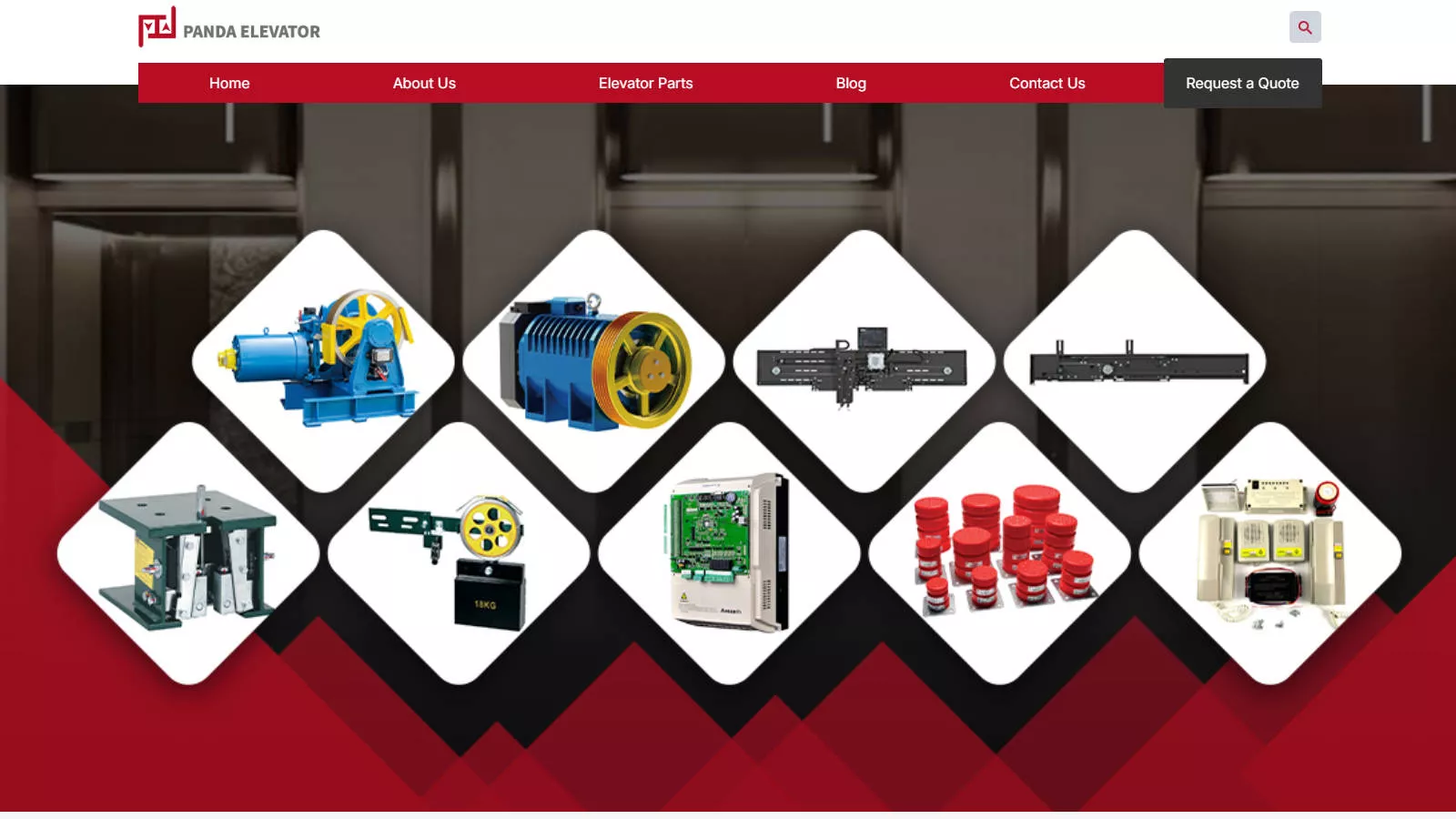
For global elevator manufacturers, maintenance contractors, and regional distributors, securing a reliable supply of premium spare parts is essential. Panda Elevator is an industry-recognized leader specializing in the manufacture and supply of high-performance traction components, safety systems, and cabin accessories.
By selecting Panda Elevator as your primary B2B partner, you benefit from:
Precision Engineering: Panda’s flagship range of Cast Iron Sheaves (available in standard ⌀240mm, ⌀320mm, and ⌀400mm dimensions) undergo advanced CNC machining and strict dynamic balancing tests to eliminate vibration and noise.
The One-Stop Solution: Beyond sheaves, Panda supplies a complete ecosystem of elevator components—including speed governors, guide rails, safety gears, buffers, and door systems—allowing you to consolidate your shipping and sourcing.
B2B OEM/ODM Customization: Need customized bore sizes, keyways, or specialized groove profiles? Panda’s technical engineering team can manufacture sheaves tailored precisely to your technical drawings and system specifications.
Global Certification & Logistics: Fully compliant with international safety directives (such as EN 81 and ASME A17.1), Panda Elevator utilizes export-grade packaging to guarantee that high-weight iron castings arrive at your job site flawless, rust-free, and ready for installation.
Selecting and maintaining the correct elevator sheave is not just an engineering requirement; it is a fundamental pillar of elevator passenger safety and operational efficiency. By investing in premium cast-iron sheaves, B2B procurement managers can significantly extend wire rope lifespans, eliminate cabin vibrations, and reduce long-term maintenance overheads.
Partnering with a globally verified manufacturer like Panda Elevator secures your business direct access to factory-direct pricing, certified quality controls, and unmatched technical support.






.png)