







The traction system is one of the most important parts of an elevator, directly affecting lifting performance, operational stability, and overall passenger experience. Among various elevator driving solutions, the geared traction machine remains a widely used option for many elevator applications due to its reliable structure, strong torque capability, and practical maintenance advantages.
For elevator manufacturers, installation companies, maintenance contractors, and elevator parts distributors, selecting the right traction solution requires careful consideration. Factors such as elevator capacity, operating conditions, component compatibility, and supplier reliability all play an important role in achieving long-term performance.
A suitable geared traction machine is not only about choosing a single mechanical component. It should work efficiently with other elevator systems, including the elevator control system, safety components, and other spare parts.
As a professional elevator components supplier, Panda provides a wide range of elevator products, including elevator door parts, elevator safety components, elevator spare parts, elevator traction systems, and elevator control systems. This guide explains the working principle, types, benefits, selection factors, and maintenance considerations of geared traction machines to help global buyers make better decisions.
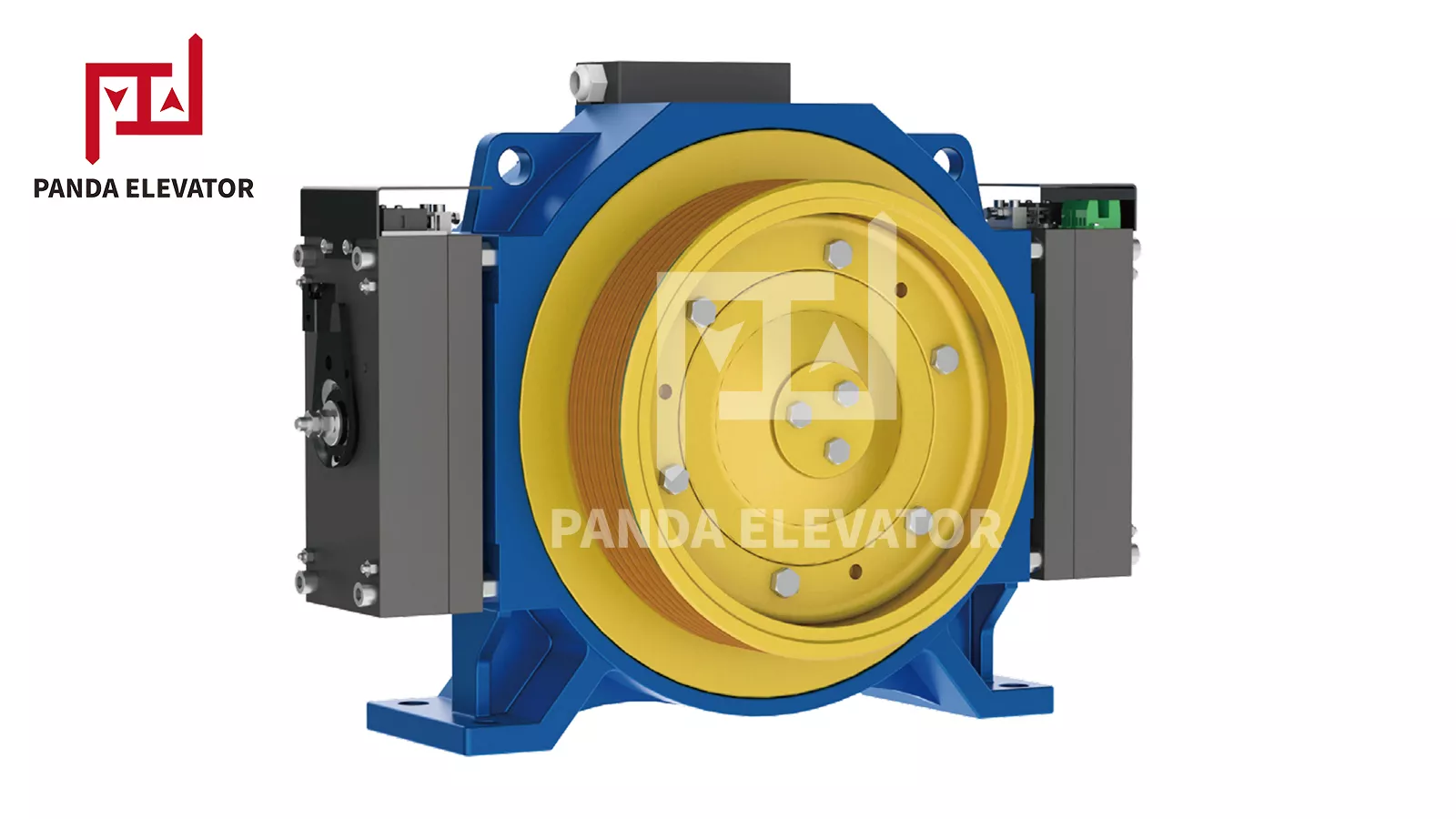
A geared traction machine is an elevator-driving device that uses a gearbox between the motor and traction sheave to control elevator movement. The gearbox reduces motor speed while increasing torque output, allowing the elevator system to move loads efficiently and maintain stable operation.
In a traditional traction elevator system, the geared traction machine works together with wire ropes, counterweights, controllers, and safety devices to move the elevator car vertically. By converting electrical energy into mechanical movement, it provides the power required for lifting and lowering operations.
Geared traction machines are commonly used in the following:
Compared with some other traction technologies, geared traction machines are valued for their mature design and reliable operating characteristics. They are especially suitable for projects where stable performance, practical maintenance, and cost efficiency are important considerations.
For elevator companies and maintenance providers, choosing a reliable geared traction machine supplier can help ensure better product compatibility and more efficient maintenance support.
The working principle of a geared traction machine is based on the cooperation of several mechanical and electrical components.
The basic operation process includes:
The electric motor provides the power needed to rotate the traction system. The motor converts electrical energy into mechanical energy.
The gearbox is the key difference between geared and gearless traction machines. It reduces rotational speed while increasing torque, allowing the machine to handle elevator loads effectively.
The traction sheave connects with the elevator wire rope. Through friction between the sheave and rope, the rotational movement of the machine is converted into vertical movement of the elevator car and counterweight.
The elevator control system manages important functions such as acceleration, deceleration, positioning accuracy, and stopping performance.
Because elevator operation depends on multiple systems working together, the traction machine should be compatible with other elevator components. A complete elevator solution often requires coordination between traction systems, control systems, safety components, and spare parts.
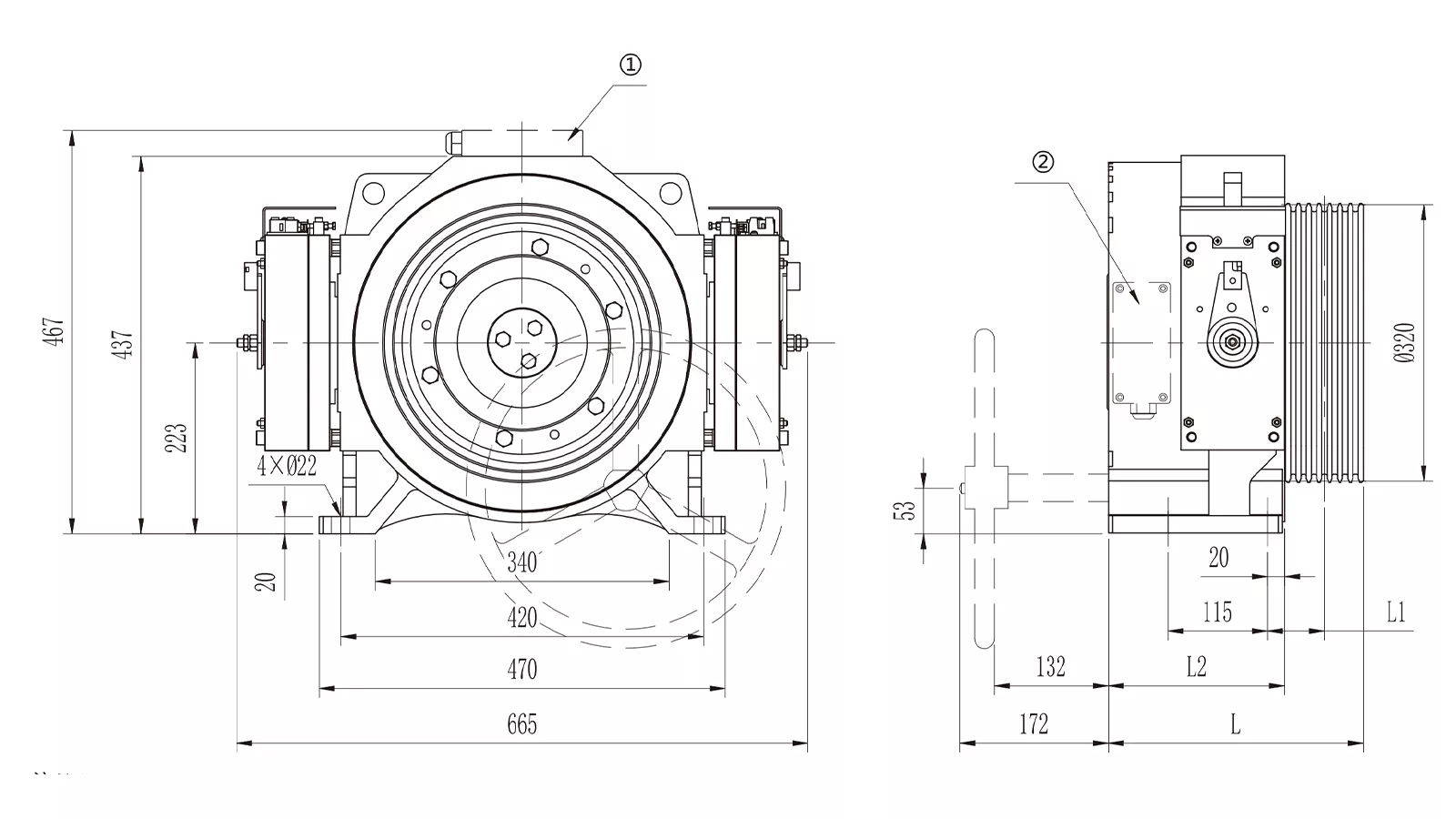
A geared traction machine consists of several major components that determine its performance and reliability.
The motor is the main power source of the traction machine. It provides the rotational force required to drive the elevator system.
The performance of the motor influences:
The gearbox is the core component that gives geared traction machines their name. It increases torque output and allows the machine to handle different elevator load requirements.
A properly designed gearbox helps achieve smooth operation and reliable performance.
The traction sheave transfers the mechanical movement to the wire rope. Its design and quality affect traction efficiency and operational stability.
The brake system ensures the elevator can stop safely and remain stationary when required. Reliable braking performance is essential for elevator safety.
The traction machine needs to communicate with the elevator control system to achieve accurate movement control and efficient operation.
Since elevator systems involve many interconnected components, sourcing from an experienced elevator spare parts supplier can simplify purchasing and improve system compatibility. Panda provides various elevator components, including traction-related products, safety components, door parts, spare parts, and control system products for different elevator applications.
Geared traction machines can be categorized according to different elevator applications and project requirements.
Passenger elevators require smooth operation, reliable performance, and comfortable riding experiences. Geared traction machines can be used in many residential and commercial elevator applications where stable operation is required.
Freight elevators often require higher load capability. Geared traction machines are suitable for these applications because of their strong torque output and durable mechanical structure.
AC geared traction machines are commonly used in elevator systems because of their stable performance and compatibility with modern elevator control technologies.
For existing elevator systems, replacing outdated traction components can improve operational reliability and extend equipment service life.
When selecting a geared traction machine, buyers should consider:
Choosing the right type of traction machine helps ensure better performance and reduces future maintenance challenges.
A geared traction machine continues to be widely used in elevator systems because of its reliable mechanical structure, strong torque capability, and practical application advantages. For elevator manufacturers, contractors, and maintenance companies, understanding these benefits can help determine whether a geared traction machine is suitable for a specific project.
One of the main advantages of a geared traction machine is its ability to provide increased torque through the gearbox system. This allows the machine to handle different load requirements while maintaining stable elevator operation.
For applications such as freight elevators and medium-load passenger elevators, strong torque output is an important factor in ensuring reliable lifting performance.
Geared traction machines have been widely applied in elevator systems for many years. Their mature structure and proven working principles make them a dependable choice for various elevator projects.
Stable operation is especially important for:
For elevator companies, reliable components help reduce unexpected downtime and improve long-term maintenance efficiency.
Compared with some advanced traction technologies, geared traction machines can provide a practical solution for projects where cost efficiency is an important consideration.
For many elevator contractors and distributors, selecting a suitable geared traction machine supplier helps balance product performance, project requirements, and overall procurement costs.
The relatively mature design of geared traction machines makes inspection and maintenance more straightforward. Regular checks of components such as gears, brakes, and lubrication systems can help maintain stable performance.
For maintenance companies, easy access to compatible elevator spare parts is also an important factor when managing long-term elevator operation.
Geared traction machines can be used in different elevator environments based on specific project requirements. By selecting suitable specifications, buyers can achieve an effective balance between performance, reliability, and investment.
The application of geared traction machines covers a wide range of elevator systems. Their reliable performance makes them suitable for different building types and operational requirements.
Residential elevators require safe, stable, and comfortable operation. Geared traction machines can provide a reliable solution for many residential elevator applications, especially where medium-speed operation is sufficient.
Office buildings, hotels, shopping centers, and other commercial facilities require elevators that can operate frequently while maintaining consistent performance.
A properly selected traction system helps improve elevator efficiency and passenger experience.
Industrial environments often require elevators with stronger load-handling capabilities. Geared traction machines are commonly considered for freight elevators because they provide strong torque and durable performance.
Many existing elevators require upgrades due to aging components or changing operational requirements.
During modernization projects, replacing outdated traction components with suitable new solutions can help improve:
For modernization contractors, working with a supplier that provides multiple elevator components can simplify procurement. Panda offers a range of products, including elevator traction systems, elevator spare parts, elevator safety components, elevator door parts, and elevator control systems, helping customers source different elevator components from one supplier.
When selecting an elevator traction solution, buyers often compare geared traction machines with gearless traction machines. Both options have different characteristics and are suitable for different applications.
| Feature | Geard Traction Machine | Gearless Traction Machine |
|---|---|---|
| Working Principle | Uses gearbox between motor and traction sheave | Direct connection between motor and traction sheave |
| Speed Range | Suitable for medium-speed applications | Suitable for high-speed applications |
| Load Capability | Suitable for various medium and heavy-load applications | Commonly used for high-rise applications |
| Cost | Generally more economical | Usually higher initial investment |
| Maintenance | Relatively straightforward | Requires specialized maintenance |
| Common Uses | Residential buildings, commercial buildings, freight elevators | High-rise buildings and advanced elevator systems |
The choice between geared and gearless traction machines depends on project requirements rather than one option being universally better.
When selecting the appropriate solution, buyers should consider the following:
A professional elevator components supplier can help customers evaluate different requirements and select suitable products for specific applications.
Selecting the right geared traction machine requires careful evaluation of technical specifications and supplier capabilities. Choosing an unsuitable product may affect elevator performance, maintenance efficiency, and operating costs.
Load capacity is one of the most important factors when choosing a traction machine.
Passenger elevators, freight elevators, and industrial elevators usually have different requirements. The selected traction machine should provide sufficient torque and performance according to the intended application.
The traction machine must work properly with other elevator components, including:
Compatibility is especially important for modernization projects, where new components must integrate with existing systems.
A reliable geared traction machine should provide the following:
For global buyers, product quality is often more important than simply choosing the lowest-cost option.
Consider Supplier Capability
A professional supplier should provide more than individual products. Buyers should evaluate:
Working with an experienced elevator components supplier can help reduce sourcing difficulties and improve project efficiency.
Proper maintenance is essential for extending the service life of a geared traction machine and maintaining safe elevator operation.
Recommended maintenance procedures include:
1. Gearbox Inspection
Regularly checking gearbox conditions helps identify potential wear issues and maintain smooth operation.
2. Lubrication Checking
Proper lubrication reduces friction between mechanical components and helps improve service life.
3. Brake System Inspection
The brake system should be checked regularly to ensure reliable stopping performance.
4. Noise and Vibration Monitoring
Unusual sounds or excessive vibration may indicate problems with mechanical components.
Some common geared traction machine issues include:
1. Abnormal Noise
Possible causes include insufficient lubrication, component wear, or mechanical misalignment.
2. Excessive Vibration
Vibration may result from installation issues, worn components, or uneven operation.
3. Reduced Performance
Lower operating efficiency may be related to motor issues, gearbox problems, or control system faults.
For maintenance companies, having access to reliable replacement components is essential. Panda provides various elevator spare parts and elevator components to support replacement and maintenance requirements.
Selecting a reliable geared traction machine manufacturer is an important decision for elevator companies, distributors, and contractors.
A suitable supplier should have the following capabilities:
A supplier with a broad product portfolio can provide better solutions for different elevator projects.
Panda focuses on supplying various elevator components, including:
Reliable suppliers should have effective quality management processes to ensure consistent product performance.
1. Technical Support
Elevator systems involve multiple interconnected components. Professional technical support helps customers select suitable products and solve application challenges.
2. Supply Capability
For international buyers, stable product availability and efficient communication are important factors for long-term cooperation.
3. One-Stop Purchasing Solution
Working with a supplier that provides multiple elevator components can simplify procurement and improve coordination between different systems.
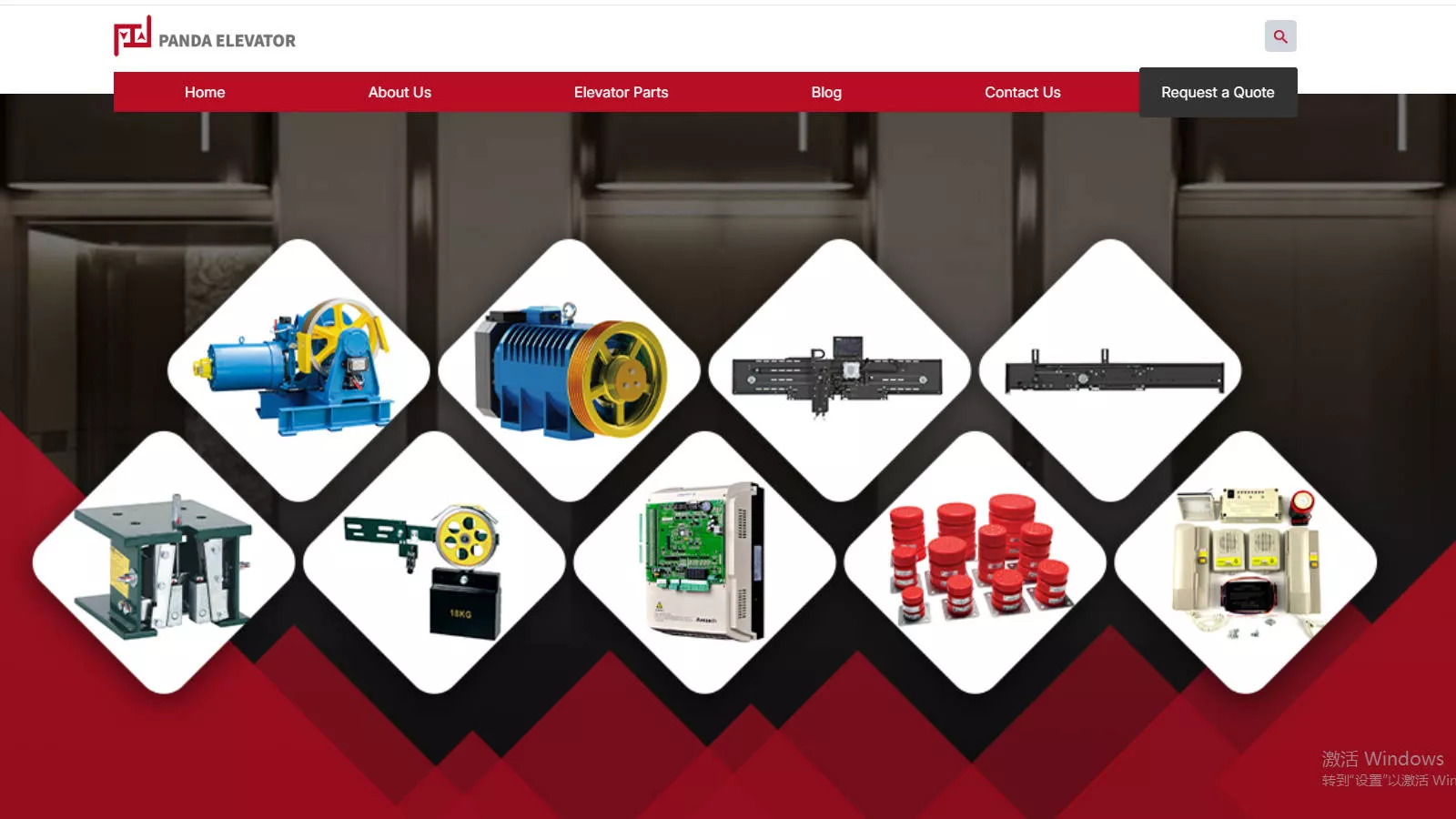
For global elevator manufacturers, distributors, installation companies, and maintenance providers, finding a supplier that can provide compatible and reliable elevator components is essential.
Panda provides a wide range of elevator products and supports customers with comprehensive elevator component solutions.
Panda supplies:
This product range allows customers to source multiple elevator components from one supplier, helping simplify purchasing processes and improve component coordination.
Instead of managing multiple suppliers for different elevator components, customers can work with one partner for various product requirements.
This approach helps improve:
Whether for elevator installation, maintenance, replacement, or modernization projects, Panda provides elevator component solutions according to different customer requirements.
By supplying traction systems, spare parts, safety components, door parts, and control system products, Panda supports customers looking for reliable elevator component sourcing.
A geared traction machine remains an important component in many elevator systems due to its reliable structure, strong torque capability, and wide range of applications.
For elevator manufacturers, contractors, and maintenance companies, selecting the right traction solution requires careful consideration of technical requirements, system compatibility, and supplier reliability.
Beyond providing individual components, an experienced elevator components supplier can help customers build more efficient and reliable elevator systems through complete product solutions.
With products covering elevator traction systems, elevator spare parts, elevator safety components, elevator door parts, and elevator control systems, Panda provides comprehensive elevator component solutions for global customers.
Choosing the right elevator parts supplier can help improve project efficiency, simplify procurement, and support long-term elevator performance.
A geared traction machine is an elevator driving component that uses a gearbox to increase torque output and move the elevator car through the traction system.
A geared traction machine works by using a motor to generate power, a gearbox to adjust torque, and a traction sheave to move the wire rope and elevator car.
Yes. Due to their strong torque capability, geared traction machines are commonly used in applications requiring higher load capacity, including freight elevators.
The main difference is that geared traction machines use a gearbox to increase torque, while gearless machines use direct-drive technology. The best choice depends on elevator requirements.
Buyers should evaluate product quality, supplier experience, product range, technical support, and the ability to provide complete elevator solutions.






.png)