







Traction drives form the core mechanical engine of any traction elevator installation. Among these drive technologies, the elevator geared machine remains a cornerstone workhorse across mid-rise, residential, freight, and modernization projects worldwide. Selecting the correct elevator geared machine requires balancing load demands, shaft dimensions, control system compatibility, and total lifecycle expenditure.
For elevator installation contractors, maintenance firms, modernization specialists, and distributors, specifying the right machinery directly impacts long-term system reliability, passenger safety, and servicing profitability. This comprehensive guide provides a technical and commercial overview of geared elevator machines, details their operational mechanics, outlines critical components, and examines key factors for evaluating global suppliers.
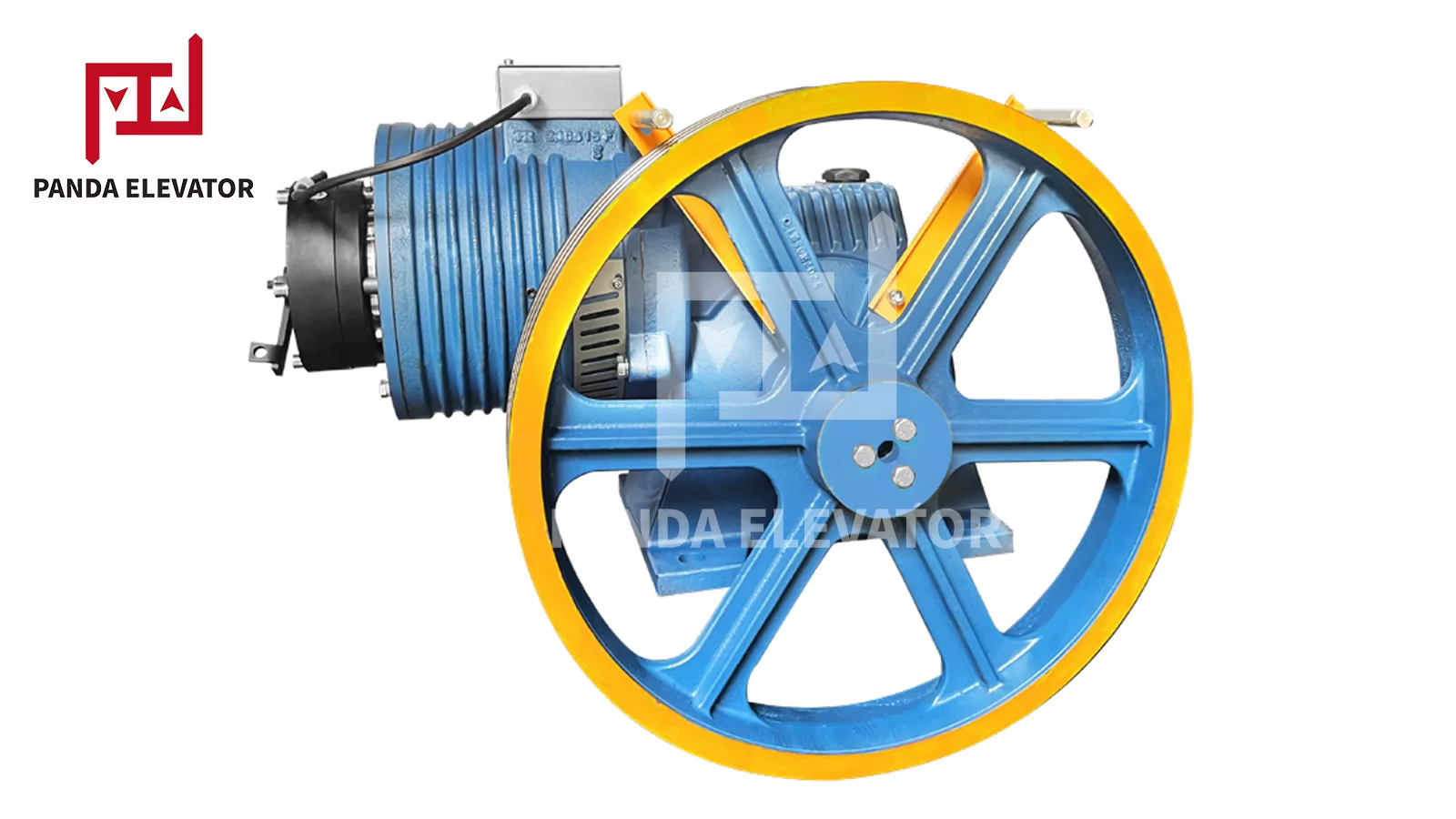
An elevator geared machine is a specialized mechanical drive unit that converts electrical energy into controlled linear motion for an elevator cab and counterweight assembly.
Unlike gearless systems that directly connect a low-speed motor to the drive sheave, a geared traction machine utilizes a high-speed electric motor paired with a reduction gear mechanism—typically a worm gear set. This mechanical configuration allows a compact motor operating at relatively high revolutions per minute (RPM) to deliver the massive, low-speed torque required to lift heavy elevator loads through suspended hoist ropes.
The geared assembly mounts to a heavy structural bedplate anchored inside a machine room (typically located above or adjacent to the hoistway). The traction sheave features precision-machined grooves that grip steel hoist ropes via friction. As the motor drives the sheave via the gearbox, the resulting frictional force raises or lowers the elevator car while the counterweight offsets the cab's mass.
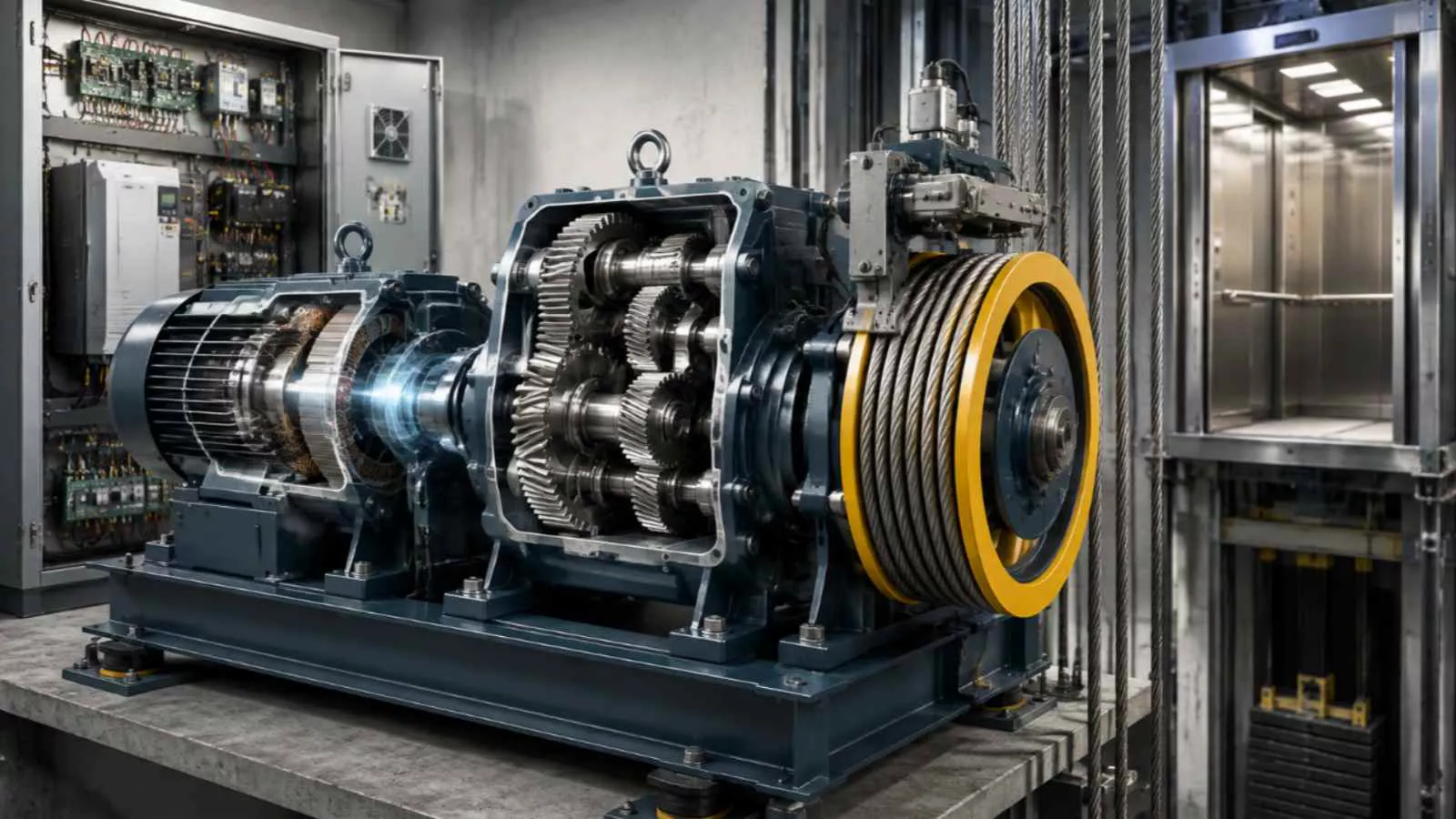
The operational cycle of a geared traction machine involves precise mechanical power transmission and electrical coordination through four primary stages:
Motor Generates Mechanical Power: When the elevator controller receives a run command, electrical power flows to the drive motor. Standard configurations utilize alternating current (AC) induction motors or direct current (DC) motors controlled by Variable Voltage Variable Frequency (VVVF) drives. The motor spins at high operational speeds (typically 900 to 1800 RPM), generating the initial kinetic energy required for transport.
Gearbox Adjusts Speed and Torque: High motor speed cannot be applied directly to the drive sheave without causing unsafe cabin acceleration. The high-speed shaft delivers rotational energy directly into the worm gear reducer, which reduces motor input speed down to optimal sheave rotation speeds (typically 30 to 150 RPM) while exponentially amplifying output torque. Precision-cut helical worm threads maintain continuous contact with the bronze gear rim, providing smooth acceleration, steady travel, and quiet deceleration profiles.
Traction Sheave Moves the Elevator System: The output shaft of the gearbox drives the main traction sheave. Hoist ropes wrapped around the sheave grooves experience high frictional contact. Rotation of the sheave translates torque into vertical cable displacement, driving the elevator car upward or downward while the counterweight moves in the opposing direction to maintain balanced rope tension.
Control System Coordinates Operation: The geared machine operates in complete sync with the main elevator controller. The control system regulates motor speed curves, processes feedback signals from rotary encoders, and commands the electro-mechanical brake system. When reaching a designated floor, the controller reduces motor power and triggers the brake shoes to clamp the brake drum, securing the cab precisely at floor level.
A complete geared unit integrates several structural, electrical, and mechanical assemblies engineered to sustain high static and dynamic loads over decades of operation.
| Component | Function | Key Technical Characteristics |
|---|---|---|
| Drive Motor | Converts electrical energy into mechanical rotational power. | AC/DC construction, thermal insulation class, duty cycle rating, VVVF compatibility. |
| Worm Gearbox | Reduces motor speed and multiplies output torque to drive the sheave. | Hardened steel worm shaft, phosphor bronze gear rim, precision gear backlash tolerances. |
| Traction Sheave | Grips hoist ropes to transfer rotational motion into vertical travel. | Ductile iron alloy, rope groove profile (U-groove, V-groove, undercut), pitch diameter. |
| Electro-Mechanical Brake | Holds the elevator stationary at floors and provides emergency stopping power. | Dual-shoe or disk brake design, coil voltage rating, manual brake release levers. |
| Control Interface & Encoder | Tracks shaft rotation and coordinates operation with the main controller. | High-resolution incremental or absolute optical encoders, standard wiring terminal boards. |
Each component plays a crucial role in overall machine performance. For instance, the drive motor must be sized according to duty cycle and car speed specifications. Modern B2B modernization projects often retrofit older motors with high-efficiency AC motors designed for smooth VVVF control.
The gearbox housing comprises a case-hardened alloy steel worm gear mated to a high-tensile phosphor bronze worm wheel housed in a cast-iron oil bath sump, where lubrication quality directly governs service life. The traction sheave is precision-cast to prevent premature wire rope wear, featuring hardened groove profiles that maintain consistent traction coefficients under varying environmental conditions.
Geared machines are configured differently based on load profiles, speed requirements, and building structures across three primary operational categories:
Tailored for low-to-mid-rise residential complexes, office buildings, and hotels. These machines generally handle capacities from 450 kg to 1,600 kg (1,000–3,500 lbs) at speeds ranging from 0.5 m/s to 2.0 m/s (100–400 fpm). They focus on ride quality, low noise emission, energy efficiency, and are optimized for frequent starts and stops per hour without overheating.
Engineered for industrial facilities, warehouses, shopping malls, and logistics hubs. Operating at lower speed ranges (0.25 m/s to 1.0 m/s) with heavy capacity ratings (2,000 kg to over 10,000 kg), freight machines utilize low gear reduction ratios to maximize lifting torque rather than speed. Built with reinforced housings, heavy-duty thrust bearings, and larger sheave diameters, they handle severe dynamic impact loads during fork-truck loading operations.
When retrofitting older mid-rise buildings, complete machine replacement can pose structural and logistical challenges. Specialized modernization geared machines offer flexible bedplate configurations and drop-in mounting options, allowing contractors to retain original machine room layouts while upgrading to modern energy standards and VVVF drive compatibility.
Understanding the technical distinctions between geared and gearless traction technology enables buyers to specify the correct machine for specific building profiles:
| Evaluation Metric | Elevator Geared Machine | Gearless Elevator Machine |
|---|---|---|
| Working Principle | High-speed motor + worm gear reduction set | Low-speed Permanent Magnet Synchronous Motor (PMSM) direct drive |
| Speed Range | Up to 2.0 m/s (400 fpm) | Exceeds 10.0 m/s (2000+ fpm) |
| Upfront Equipment Cost | Lower initial capital expenditure | Higher upfront capital cost |
| Space Requirements | Requires dedicated machine room space | Ideal for Machine Room-Less (MRL) designs |
| Maintenance Profile | Requires periodic gearbox oil changes and seal checks | Lower mechanical maintenance; requires encoder and electrical checks |
| Energy Efficiency | Moderate (mechanical gear friction loses ~15-30%) | High energy efficiency (direct drive, minimal friction loss) |
| Heavy-Load Performance | Exceptional heavy-load torque handling | Requires larger motor frame sizes for extreme heavy-freight loads |
While gearless technology dominates high-rise MRL installations, geared elevator traction systems remain widely specified due to clear operational advantages:
Cost Efficiency: Lower initial equipment purchase costs make geared units highly economical for budget-conscious low-to-mid-rise projects and modernizations.
Proven Industrial Reliability: The mechanical worm-gear design is a mature technology with predictable failure modes and globally standardized servicing protocols.
High Mechanical Torque: Worm gear reduction provides substantial mechanical leverage, allowing smaller electrical motors to hoist heavy payloads effortlessly.
Widespread Maintenance Familiarity: Field technicians worldwide are trained in servicing geared systems, simplifying maintenance sourcing and reducing labor overhead.
Straightforward Component Repair: Components such as motor bearings, brake shoes, sheave rims, and gear seals can be serviced or replaced independently without requiring full unit replacement.
Selecting the appropriate geared traction machine requires a thorough technical evaluation of building parameters and mechanical specifications from a B2B buyer perspective:
Total Duty Load & Rated Speed: Calculate the contract load, car deadweight (tare weight), and counterweight balance ratio (typically 45–50%). Ensure the machine frame and thrust bearings support the calculated static load rating. Match speed requirements with appropriate gear reduction ratios to ensure the motor operates within its optimal efficiency curve.
Roping Arrangement & Machine Room Footprint: Determine whether a 1:1 roping layout (standard speed/load) or a 2:1 arrangement (doubling lifting capacity at half speed) is needed. Verify that the physical dimensions, bedplate drop-in points, rope center-to-center distances, and overhead hook clearances align with existing building structures.
Control Integration & Supplier Reliability: Confirm voltage specifications, thermal protection parameters, brake coil ratings, and encoder communication protocols to guarantee electrical compatibility between the traction unit and the elevator controller. Evaluate suppliers based on product warranties, factory test report availability, and long-term technical support.
Sourcing elevator components requires partnering with an experienced distributor capable of delivering complete systems, strict quality assurance, and reliable international logistics.
Panda is a specialized international elevator parts supplier, providing comprehensive component solutions to installation contractors, maintenance firms, modernization specialists, and regional distributors worldwide.
Rather than sourcing fragmented parts across multiple channels, buyers rely on Panda as a single-source partner for complete system procurement:
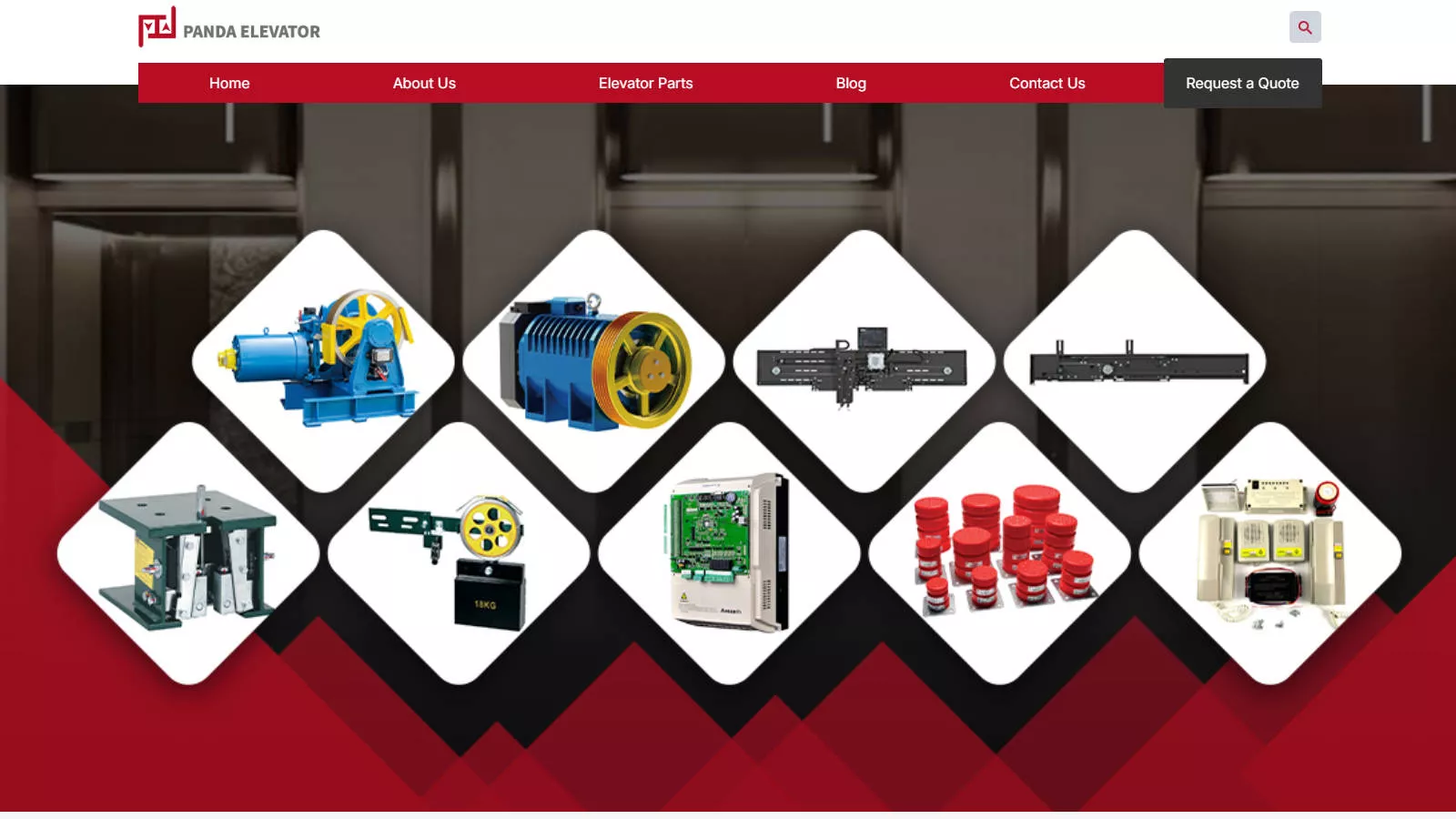
Elevator Traction System: High-performance Geared Elevator Traction Machine units, gearless PMSM machines, drive sheaves, bedplates, and deflector sheaves engineered for both new installations and retrofits.
Elevator Control System: Integrated VVVF control cabinets, door drive controllers, emergency landing devices (ARD), and serial communication boards designed for seamless interface with traction machines.
Elevator Doors Parts: Landing door mechanisms, operator assemblies, door hangers, rollers, and safety light curtains ensuring smooth, reliable passenger entry and exit.
Elevator Safety Components: Progressive and instantaneous safety gears, speed governors, hydraulic/oil buffers, and overspeed detection systems compliant with international safety codes.
Elevator Spare Parts Catalog: A deep inventory of replacement elevator spare parts—from brake shoes, oil seals, and guide shoes to push buttons and display boards—helping servicing firms minimize equipment downtime.
By combining broad product availability with dedicated technical support, Panda helps elevator businesses streamline supply chain operations, ensure component compatibility, and reduce field installation costs.
Systematic preventive maintenance extends the operational lifespan of a geared machine, maintains ride quality, and prevents costly emergency shutdowns:
| Maintenance Task | Recommended Frequency | Key Actions |
|---|---|---|
| Gearbox Oil Audit & Replacement | Monthly inspection; Annual oil replacement | Check oil levels via sight glass; test for metallic debris or sludge; drain and refill with manufacturer-specified ISO VG synthetic gear oil. |
| Brake System Maintenance | Monthly | Inspect brake shoe lining thickness, verify equal air gap clearance across drums, test manual release levers, and monitor coil operating temperatures. |
| Traction Sheave & Rope Check | Quarterly | Audit rope groove wear profiles, measure cable tension equality across all lines, and inspect the sheave surface for scoring or slippage. |
| Vibration & Seal Inspection | Monthly / Semi-Annually | Inspect input/output shaft seals and gaskets for oil leaks; monitor worm gear backlash and motor bearing noise under full payload conditions. |
The long-term reliability and operational safety of an elevator installation depend as much on strategic supplier selection as they do on mechanical precision. Sourcing the right elevator geared machine requires partnering with a vendor capable of providing transparent technical documentation, rigorous ISO-compliant quality management, and international safety certifications such as CE, EN 81, and ASME A17.1. Beyond the initial purchase, long-term servicing success relies heavily on rapid spare parts availability and dedicated technical support to ensure full compatibility between traction machinery, drive encoders, and control electronics.
Working with an established global component provider like Panda gives maintenance contractors, modernization specialists, and distributors direct access to high-performance Geared Elevator Traction Machine solutions backed by a complete ecosystem of compatible Elevator Spare Parts. By combining technical excellence with single-source procurement efficiency, industrial buyers can streamline supply chain logistics, reduce equipment downtime, and guarantee optimal performance across every lifecycle phase.
1. What is an elevator geared machine?
An elevator geared machine is a mechanical drive unit consisting of an electric motor, a speed-reducing worm gearbox, an electro-mechanical brake, and a drive sheave. It uses gear reduction to convert high-speed motor rotation into high-torque, low-speed movement to drive elevator hoist ropes.
2. What is the difference between geared and gearless elevator machines?
Geared machines utilize a gearbox (typically worm gear) to reduce motor speed and increase torque, making them cost-effective for low-to-mid-rise applications. Gearless machines connect a low-speed Permanent Magnet Synchronous Motor directly to the traction sheave, offering higher speeds, greater energy efficiency, and a compact footprint suited for high-rise or MRL applications at a higher initial equipment cost.
3. Where are geared elevator machines commonly used?
Geared elevator machines are widely deployed in residential apartment complexes, low-to-mid-rise commercial buildings, industrial freight elevators, service lifts, and building modernization projects where travel speeds do not exceed 2.0 m/s (400 fpm).
4. How long does an elevator geared machine last?
With proper preventive maintenance—including regular gearbox oil changes, brake shoe adjustments, and seal replacements—a high-quality elevator geared machine typically achieves an operational service life of 25 to 30+ years.
5. How do I choose a reliable elevator geared machine supplier?
Evaluate suppliers based on manufacturing quality certifications, technical documentation transparency, product line breadth, component compatibility, and spare parts availability. Sourcing from a comprehensive parts partner like Panda ensures long-term access to matching traction components, control systems, and servicing parts.






.png)